History
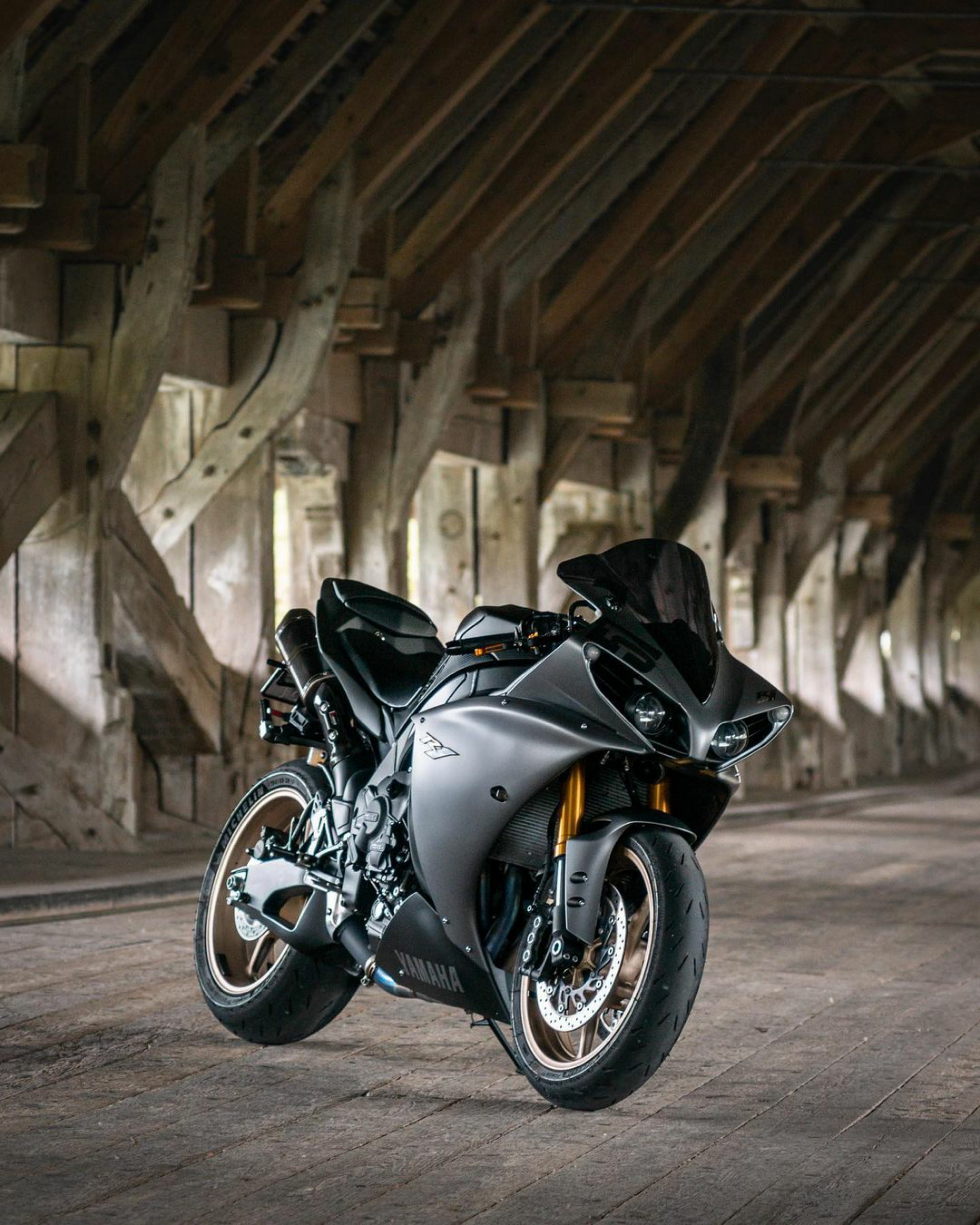
In 1997, Yamaha introduced a groundbreaking sports bike that would
revolutionize the superbike landscape as we recognize it today.
Featuring a potent full-liter four-cylinder engine ingeniously
housed within a chassis typically reserved for 600cc motorcycles,
the YZF-R1 made a resounding impact, sparking a fervent following
and giving rise to an intensely competitive realm in the world of
motorcycling throughout the early 2000s.
Debuted at the 1997 Milan motorcycle show as a 1998 model, the
original YZF-R1 boasted a claimed 150bhp in a remarkably lightweight
177kg package.
At that time, production racing machines were typically 750cc fours
or 1000cc twins. The R1, however, was purpose-built for the road,
derived from the YZF750SP and outshining its primary competitor, the
Honda CBR900RR FireBlade, with cutting-edge technology in both
chassis and engine.
While the FireBlade had dominated the market for over five years,
the R1 emerged as a game-changer, disrupting the status quo with its
holistic design—blending substantial horsepower with an agile
chassis. Unlike its predecessors, the R1 signaled a shift from hefty
1000cc sports bikes to a more nimble and powerful era.
MotoGP
User From 1999 to 2002, Max Biaggi and Carlos Checa were the
formidable duo representing the team. During this period, Biaggi
secured an impressive 8 race victories, initially piloting the
Yamaha YZR500 and later transitioning to the Yamaha YZR-M1 in 2002.
The year 2003 saw the addition of Marco Melandri alongside Checa,
marking a season without podium finishes. In 2004, Valentino Rossi
joined forces with Checa, achieving a remarkable 9 victories and
clinching the championship. Colin Edwards joined the team in 2005,
contributing to another championship victory for Rossi with an
impressive 11 wins. The successful pairing of Rossi and Edwards
continued in 2006, where Rossi secured 5 wins and finished as the
runner-up in the championship.
In 2007, Rossi and Edwards continued their collaboration, riding the
new 800cc Yamaha YZR-M1. Rossi claimed 4 wins and concluded the
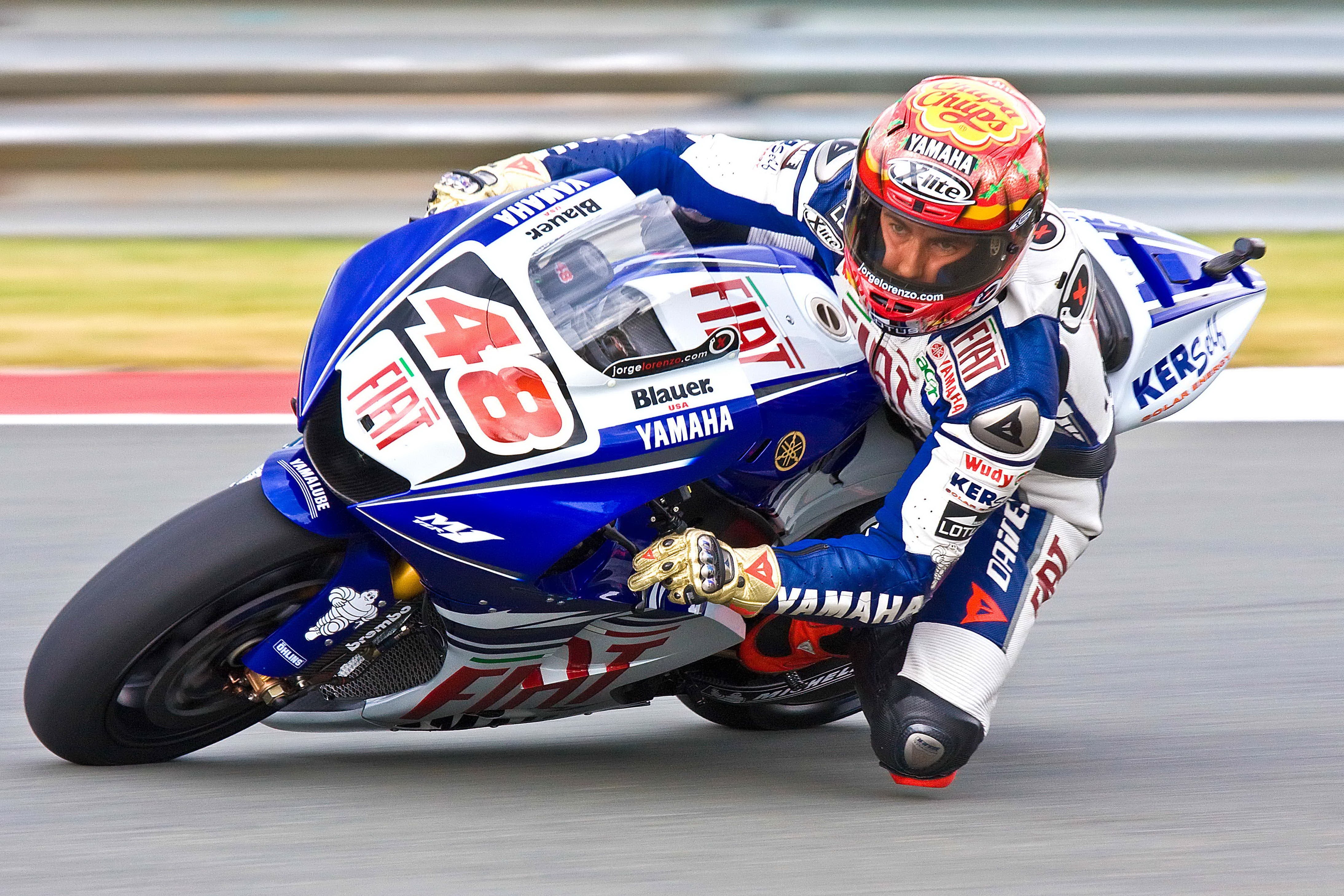
season in 3rd place overall. The unique lineup of Rossi and Jorge
Lorenzo characterized the 2008 season. Despite competing for the
title with different tire choices (Rossi with Bridgestone and
Lorenzo with Michelin), Yamaha operated as a unified team. Rossi
dominated, winning 9 out of 18 races and consistently reaching the
podium, while Lorenzo, in his learning year, triumphed at Estoril
and secured 4th place in the championship.
The following year, 2009, witnessed Yamaha's dominance in MotoGP,
with Rossi clinching the title and Lorenzo securing second place.
The dynamic pair collectively triumphed in 12 out of 17 races,
leading Yamaha to victory in the Constructors' Championship.